How Car Key Replacement Works — Cutting, Coding, and Programming by Make & Model
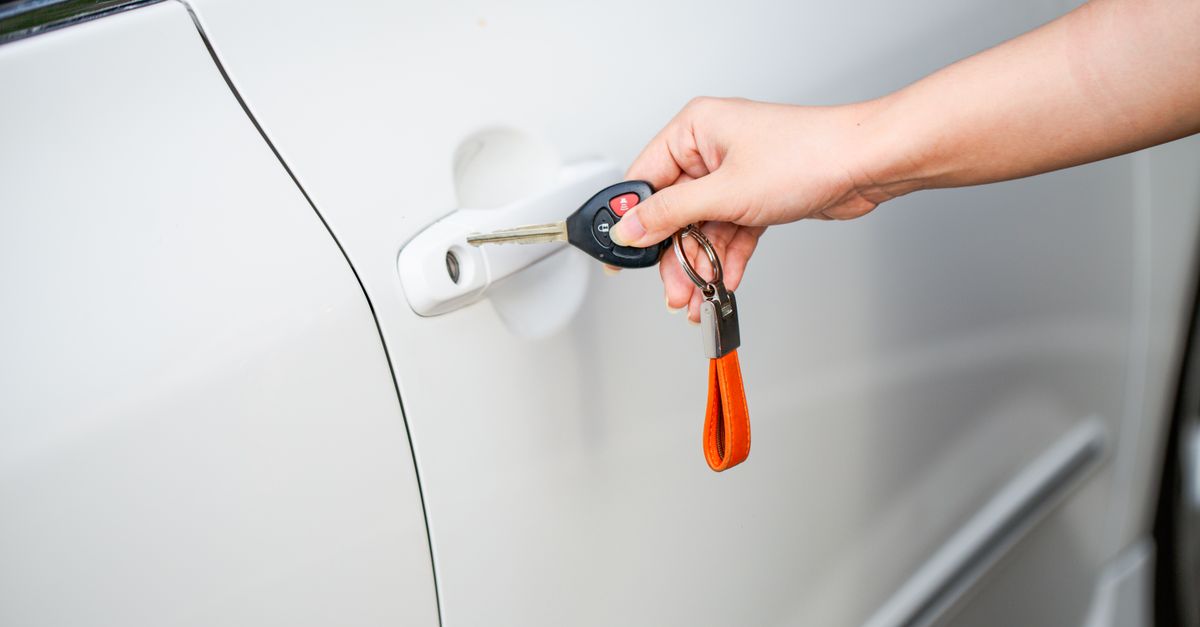
The process of replacing a lost or damaged vehicle key involves two distinct technical stages: mechanical cutting and electronic programming. The mechanical cut must match the specific key blank designated for your vehicle's make, model, and year — a Toyota Camry blank differs from a Honda CR-V blank, and a Ford F-150 blank differs from a Chevrolet Silverado blank. Our mobile technicians use high-precision computerized cutting equipment that reads your vehicle's door lock or ignition cylinder profile (or works from the VIN when keys are entirely absent) to produce an exact duplicate cut.
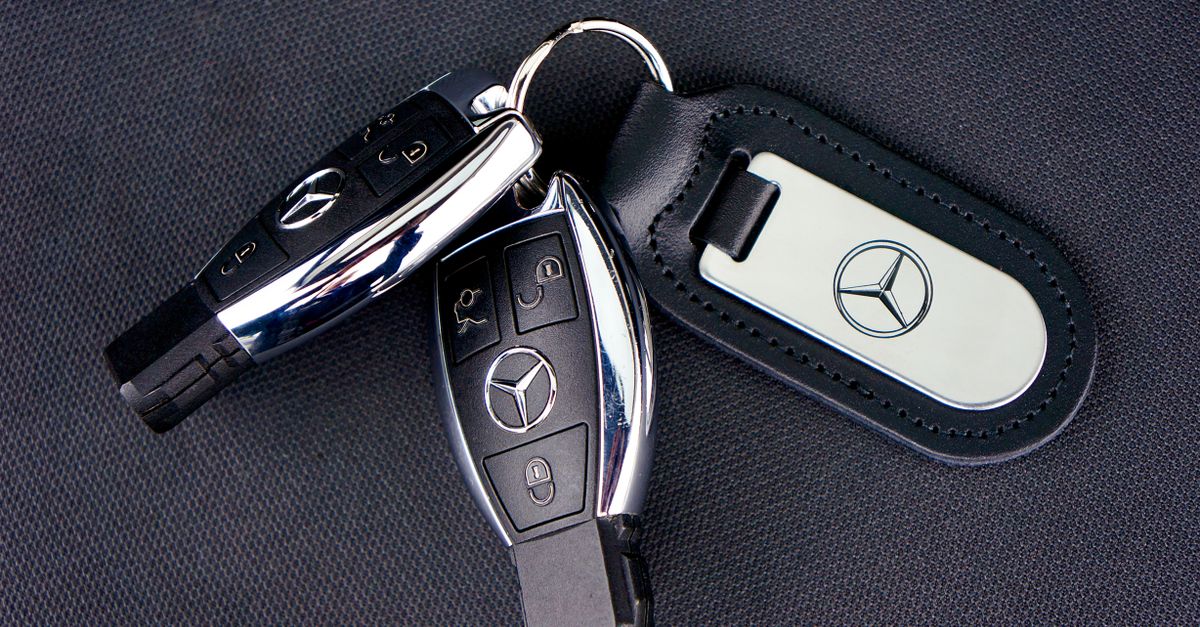
The second stage — transponder chip programming or smart key pairing — is where modern replacement keys earn their complexity. Vehicles manufactured after the mid-1990s almost universally embed a transponder chip in the key head. When you insert the key, the car's immobilizer system sends a radio frequency signal; if the chip doesn't respond with the correct code, the engine won't start, even if the mechanical cut is perfect. For push-to-start proximity fobs, the process also involves syncing the key's rolling security code to the Body Control Module (BCM) or Engine Control Unit (ECU). Our technicians carry OBD-II-compatible programming devices and make/model-specific software modules to complete this pairing at your location — no dealership trip required. We service popular brands including Toyota, Honda, Ford, Chevrolet, Nissan, Hyundai, Kia, Volkswagen, Subaru, Jeep, RAM, GMC, BMW, Mercedes-Benz, Lexus, Acura, and many more.