What Home Lock Rekeying Actually Does — and Why It Beats a Full Lock Change
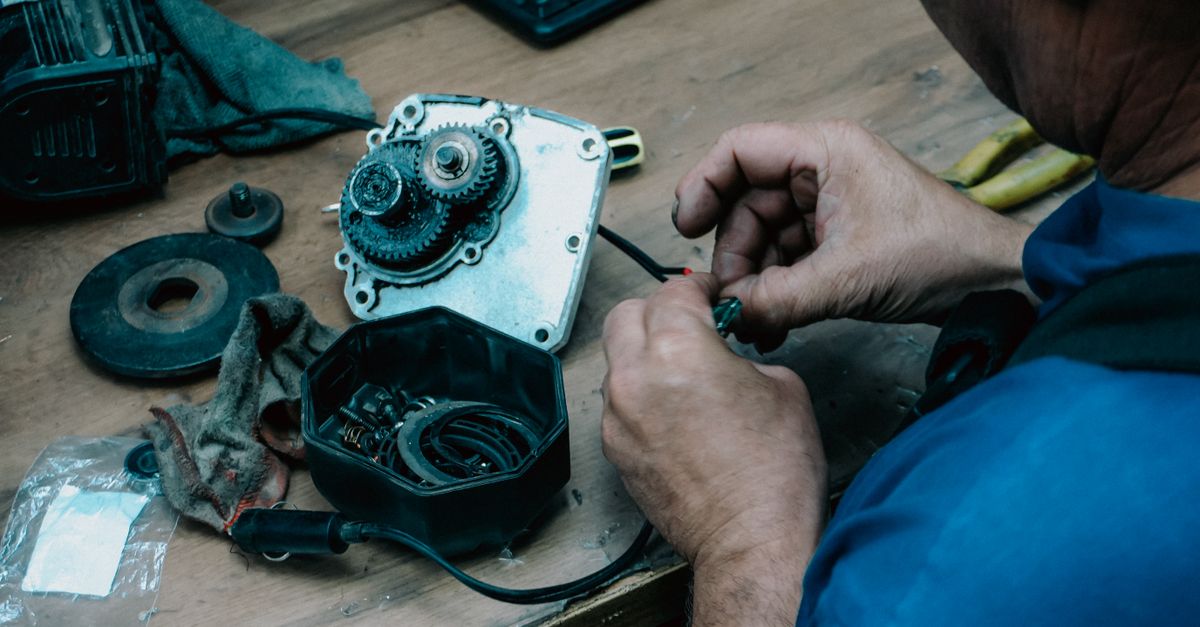
Inside every keyed lock — whether it's a standard door knob lock, a deadbolt, or a heavy-duty mortise lock — sits a set of spring-loaded pins of varying heights. Your key works because its unique cut pattern lifts those pins to exactly the right heights, allowing the cylinder to rotate. Rekeying replaces those internal pins with a new set that matches a brand-new key, rendering every existing copy permanently useless. The hardware you already have stays in place; only the internal pin configuration changes. This is almost always faster and less disruptive than a full home lock change, and it's the right call whenever your existing hardware is in solid mechanical shape.
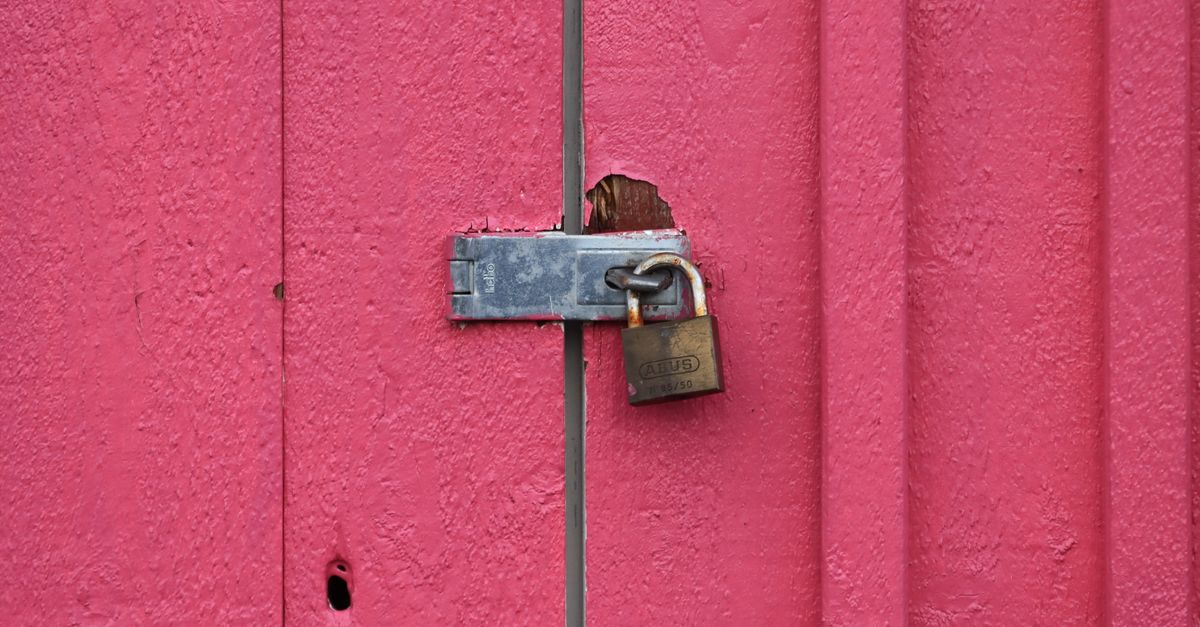
The exception worth knowing: if your locks are visibly worn, have a loose cylinder, or are an older design that no longer meets your security expectations, our technicians will walk you through an upgrade to a more robust option — such as a Schlage or Kwikset deadbolt, or a full mortise lock installation on an exterior door. A mortise lock sits recessed into the door edge rather than surface-mounted, giving it superior resistance to kick-in and forced-entry attempts. Many of Pleasantville's older Victorian and Craftsman homes already have mortise lock cutouts from original construction, making a quality replacement a natural fit. We'll inspect what you have and give you an honest recommendation — no upsell for its own sake.