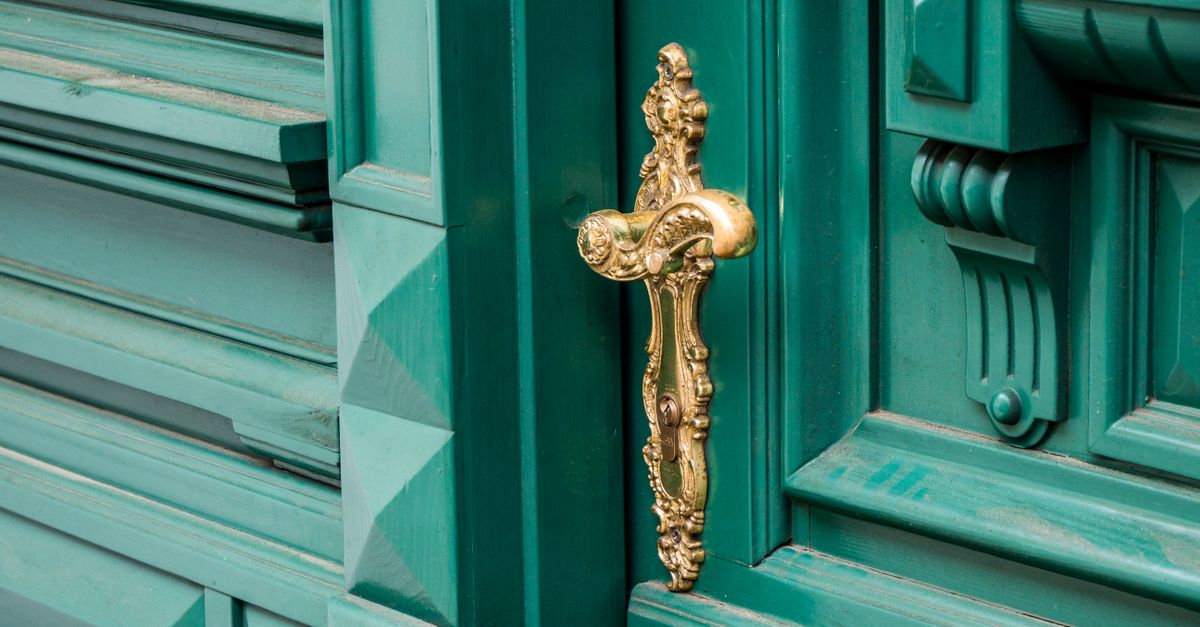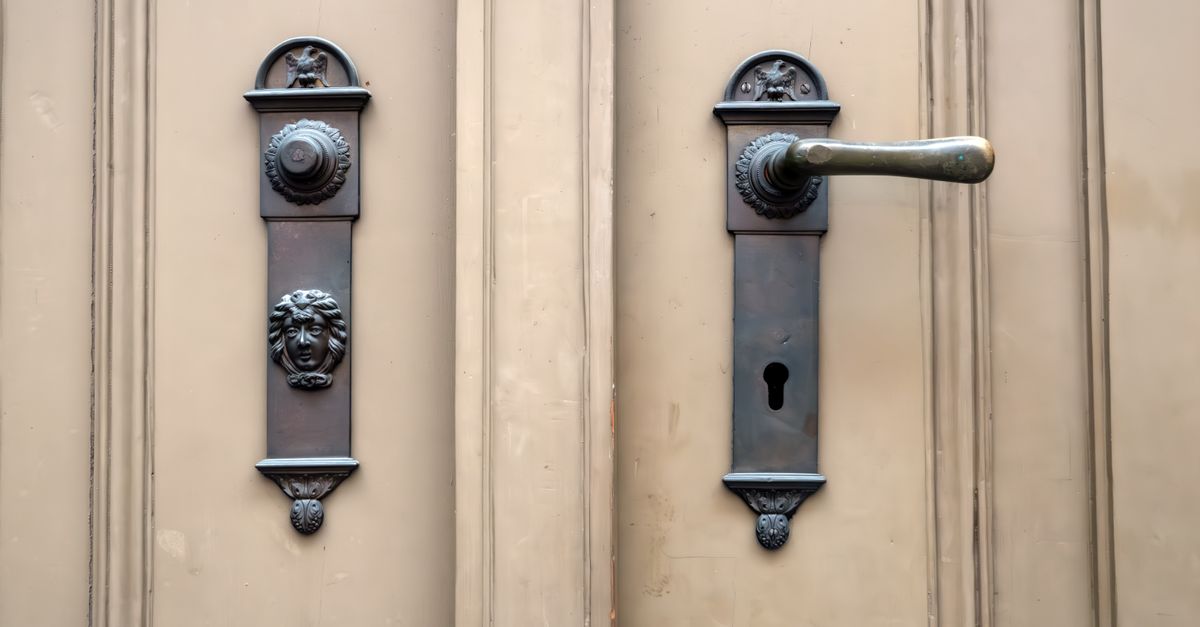
What Is a Mortise Lock — and Why Older Homes Depend on Them
A mortise lock is a self-contained lockset housed inside a rectangular steel or cast-iron body that is recessed — mortised — into a pocket cut into the door's edge. Unlike a cylindrical borehole lock (the standard modern door knob lock), the mortise body integrates the latch bolt, the deadbolt, the spindle hub, and sometimes an auxiliary bolt all in one chassis. That integration is exactly why a mortise lock set feels so solid when new: every moving part works in a unified mechanical relationship. It is also why a failure in one component — a cracked cam, a worn follower, a corroded spring — can immobilize the entire door. Brands like Corbin Russwin and Baldwin built their reputations on these mechanisms, and many of their mid-century units are still in service across Westchester County homes today.
The flip side of that durability is that mortise hardware demands periodic attention that cylindrical locks do not. The body sits inside the door stave, meaning it absorbs every seasonal expansion and contraction of the wood around it. In Pleasantville's climate — humid summers, freezing winters — a door that fits perfectly in October can bind its lock body enough by February to make operation stiff or impossible. When homeowners try to force a sticking mortise lock rather than address the root cause, they often crack the internal follower or shear the cam, turning a lubrication job into a full mortise lock repair or replacement.